Nutrition Serene Gourmet
Feed your energy, not just your body!
Love your food and eat in Joy
That is the Secret…
Gluten?
Nothing beats bread out of the oven with a good olive oil and fleur de sel or butter! With the increase of intolerance or allergy to gluten, it has become a huge topic if not in some cases, just to follow the lead.
If you have not been diagnosed with intolerance or celiac disease, please do not completely avoid gluten. Just be choosy with quality as the main problem comes from intensive manufacturing. And quantity, not at every meal 😉
Wheat & gluten?
Gluten is the cereals’ protein. When cooked, gluten forms a kind of “glue” that sticks to stomach walls. It thus promotes intestinal putrefaction and reduces assimilation of vitamins and other nutrients.
More and more people are now to pay attention to gluten. It’s a bit difficult at first but I always tell them it’s a certain blessing as it forces them to take better care of themselves. Getting out of overconsumption of all staples made with gluten: pizza dough, bread… but especially those made with poor quality wheat.
Wheat has changed a lot and it is not much of a quality product today. Soil is poor, too many chemicals and treatments…
And breads made from it are no longer according to the rules of arts, with a sourdough that allows the dough to rise slowly. They also contain too much gluten and not enough sourdough. This is often what induces intolerances or porous intestines.
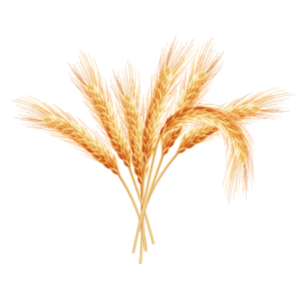
Even if you are not intolerant, try to limit your consumption of wheat (not 3 times a day!), choose quality and try other interesting and especially delicious cereals.
Cereals with gluten
- wheat
- rye
- barley
- spelt
- kamut
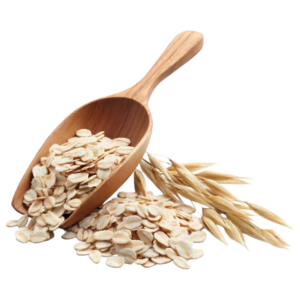
- oat but it is usually tolerated in gluten-free diets.
Cereals without gluten?
- rice,
- millet,
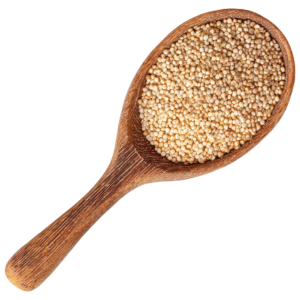
- quinoa,
- corn,
- soybeans,
- buckwheat,
- potato starch,
- cassava,
- chestnuts,
- sweet potatoes,
- amaranth
- and arrowroot.
Foods authorized and prohibited in the event of allergy or intolerance: you can download and print the list on the Afdiag website.
Flours to prefer?
Of course, prefer organic or artisanal flour, guaranteed without pesticides. The downside is a shorter shelf life. Note that these flours should generally be consumed within 6 months. This slight constraint is largely offset by the results obtained in breads, both in terms of taste and in terms of bread-making quality.
Make sure to keep all your flours in a dry, cool place, and if possible protected from light. The ideal temperature is between 10°C and 15°C. You can also keep them in the freezer and take out, as you go, only the necessary quantities for your needs.
You can find on my site foodisjoy.com many recipes using these products, as well as bread recipes from my book “Pains Maison, façonnez votre vitalité”. Upon request, I’ll send you the eBook version as a gift.
Many also use wheat, try to consume it in moderation to favor those using the alternatives. Other recipes more specifically wheat-free and gluten-free ones will be the subject of a future book. In the meantime, you will find here in the recipes a gluten-free bread that I particularly like.
Spelt
An ancient variety of wheat spelt is a tough cereal that does not tolerate any fertilizer. It is therefore ideal in organic production.
The seed, protected by an envelope which is to be shelled, gives a superior quality flour, very nutritionally balanced. Its amount of gluten is greater than in wheat, but it is far better tolerated and assimilated, even for people with gluten sensitivity. Spelt is very rich in phosphorus, magnesium, and calcium.
We distinguish the great spelt from the small spelt. Small spelt softer, packed with amino acids, and can be eaten like rice. It is a variety close to wheat which is cultivated in the Southern Alps and is harvested at the end of August. Large Spelt is firmer, and therefore used for pasta or bread.
We find the same uses as for wheat, with the same derivatives: grains, flakes, semolina, and bulgur. The flour is suitable for all preparations such as bread, pasta, cakes. Spelt is also a great alternative to wheat. Its taste is a little more marked and you will quickly become hooked …
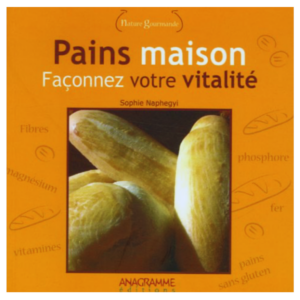
Get my offered eBook (in French) with plenty of recipes,
how to make delicious bread at home
and infos on the diffent cereals.
Other Frequently Asked Questions
Some Nutrition infos and thoughts
What about dairy?
According to cultures and religions, man has kept a certain consumption of cow’s milk. But it was long before the industrial processes which destroy by pasteurization, homogenization, skimming and sterilization what little interest it could still hold. Not to mention preservative additives.
However, today we agree to consider raw milk as an acceptable and even beneficial food. If consumed only in limited quantities and managing to find extra fresh and organic. But also, it seems to me, with farms where we know how the animals are fed. If cows are pushed to extremes to produce abnormal amounts of milk, how can the quality of the milk be present! Toxins from vaccinations or chemical fertilizers from the grass consumed or from their food are inevitably found in their milk.
What about vegetarian or vegan?
I’m not a vegetarian myself. Why? because I believe in wholeness and not to exclude nor diabolised any food except in case of intolerance or allergy, disease, which is often the body saying stop to an abuse! I’m not a meat eater as I was raised by a meat eater and rejected it when I became independant to choose. Eventually poultry if quality is met.
What about Sugars?
Sugar is a huge topic and even without health problems with sugar, it’s a viable concern to reduce our intake as it is everywhere even in food where it should not be in! So choose your sugars and there are so many delicious and much better than pure white sugar. Don’t deprive yourself of desserts but choose!
Organic?
As a believer in quality & taste, you could think I advocate bio but I don’t. I only searching for the best product and quality. Many produce high quality without willing to go through the specifications of the bio label. It surely gives standards but also as any organisation, is money related. In any case, I’m not willing to pay twice the price sometimes for lesser taste than non bio products.
If you favor seasonal products, you might observe that prices may be a little more expensive, but you will find your way very easily in the end. Recently, I observed the other way round. Prices for season products are cheaper in organic markets than in supermarkets!
An organic or well raised product is denser and nourishes you better. You need less in quantity to be satisfied, and your taste buds experience more pleasurable in quality. A supermarket veggie may be inexpensive in season, but usually is 80 to 90% water, unlike one that grew in better nourished lands. Take an example like the mushroom. A good mushroom hardly disgorges any water during cooking. Try it with mushrooms from your supermarket. Your wok or pan is full of water, and you will find it difficult to brown them well.
As for the groceries, they are not much more expensive. Unless you are into prepared dishes. But isn’t the idea to start preparing your specialties at home?
An argument and not the least but when your cells are better nourished, you will be in better physical and mind shape. You will need less doctors, therapists, if at all. Especially with the few Nature’s treasures presented below to consolidate your health and heal if necessary.
Full indepth infos in my book SereneGourmet

Let’s cook
Access recipes and browse by categories. The library will be updated gradually and soon some videos, ebooks and recipe cards.