Nutrition Serene Gourmet
Feed your energy, not just your body!
Love your food and eat in Joy
That is the Secret…
What about vegetarian or vegan?
I’m not a vegetarian myself. Why? because I believe in wholeness and not to exclude nor diabolised any food except in case of intolerance or allergy, disease, which is often the body saying stop to an abuse! I’m not a meat eater as I was raised by a meat eater and rejected it when I became independant to choose. Eventually poultry if quality is met.
About proteins?
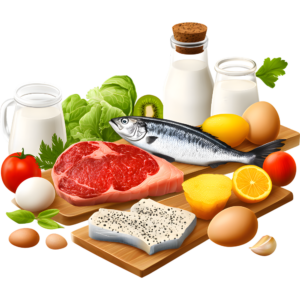
Proteins are the building and repairing materials necessary to our bodies. They break down into amino acids, which are our body’s building blocks for muscles, hormones, and neurotransmitters. Those brain chemicals needed for mood and focus.
Proteins also participate in the satiety signal. They trigger a key hormone release: glucagon, which balances the effects of insulin. And thus, can reduce cravings for sugar. Amino acids found in proteins are essential for detoxification because they help flush toxins out of our body. We also need protein for beautiful skin, hair, and strong nails.
Among the 22 available, 8 so-called essential amino acids should be supplied at the same time in defined proportions to be correctly assimilated. But not all dietary proteins are well balanced in their composition.
The benchmark protein for the ideal amino acid balance is egg. Animal proteins are of higher quality than those from plants since they are better balanced in essential amino acids. However, vegetal proteins may be just as good if you know how to combine them (legumes with cereals).
This is how we must vary our sources of protein to best meet the needs of our body.
Plant or animal proteins?
Plant or animal proteins are equal in terms of protein value. Only the part of saturated / poly saturated fatty acids of animal proteins has no equivalence in the plant sector. Protein waste is also much higher in animal protein. And global pollution at the ecological level is ten times less concentrated in the plant world.
In addition, most animals today are stressed, hormones and antibiotics fed. You thus ingest what they have swallowed, and what they have undergone is energetically flesh inscribed. Hence the great importance of choosing if you choose to consume them. The meat’s origin and ensuring its quality is optimum.
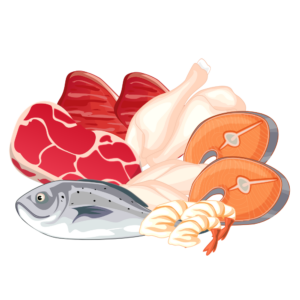
Non-organic meat & fish?
We have already mentioned the harmful effects of consuming non-organic or not artisan breed meat and fish with animal proteins.
Meat overfed with hormones and antibiotics, often raised in tiny spaces, stressed…
Farmed fish are fed with cereals but are they GMO-free guaranteed? You will also notice that they are much fatter. Look at some salmon for example. You can see the difference between the two visually. Farmed salmon have white veins. The wild one much less, its flesh remains very orange.
But let us also not be too quick condemning all farmed fish. Some follow strict specifications, and fishes are raised with care.
Ocean fish are often concentrated in heavy metals including mercury. Some more than others, like tuna for example. That is, fatty fish absorb more than lean ones. Garlic is also a very good remedy for removing heavy metals stored in fat and are impossible to remove otherwise.
Not to mention that some fish, so over-consumed now, are on the verge of disappearing: tuna, cod… The list is so long that I prefer to give you the fish that are still not threatened: sea bass, sea bream, haddock, scallops, shrimps, squid, and herring.
Only vegetal proteins?
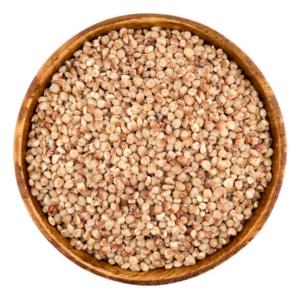
Cereals are deficient in lysine. Legumes are in methionine. These two amino acids “aa” are said to be essential, they are part of the 8 amino acids necessary to assimilate them all together.
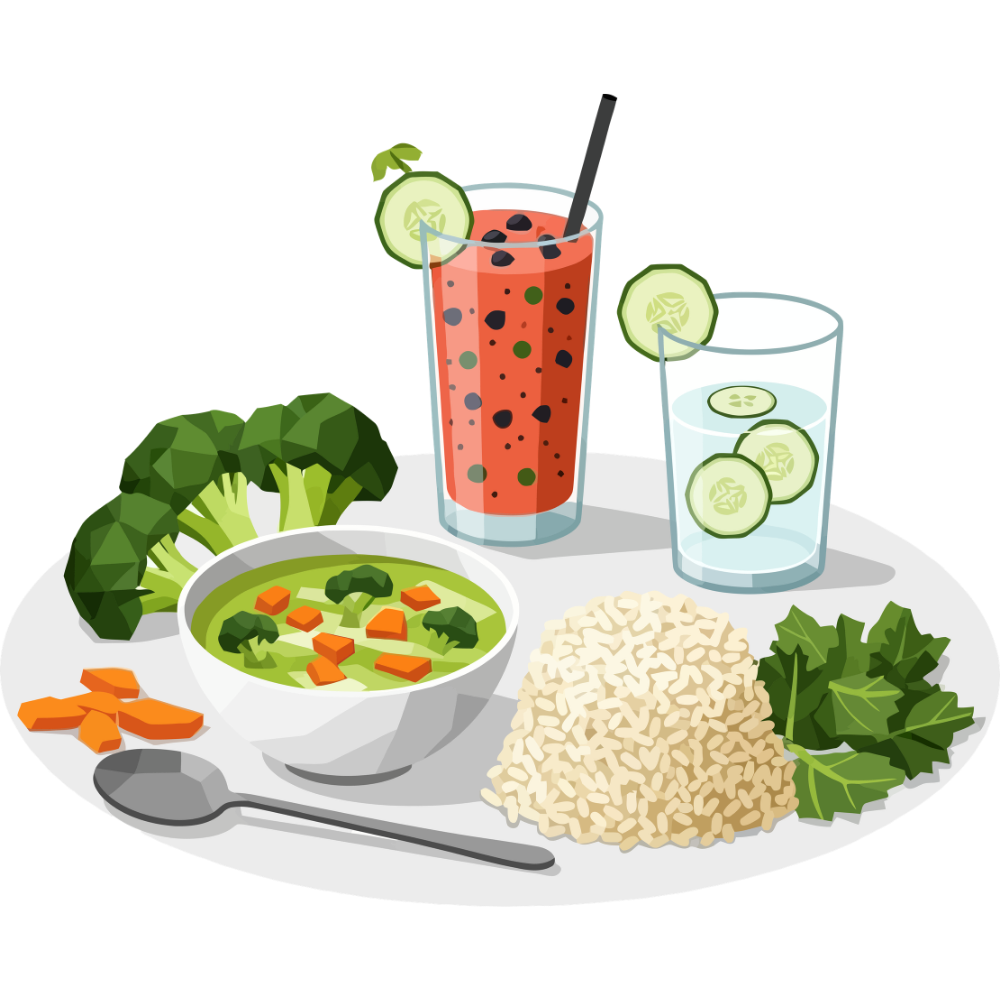
The proportion for a plate is to be 3/4 of cereals for 1/4 of legumes:
- rice / lentils,
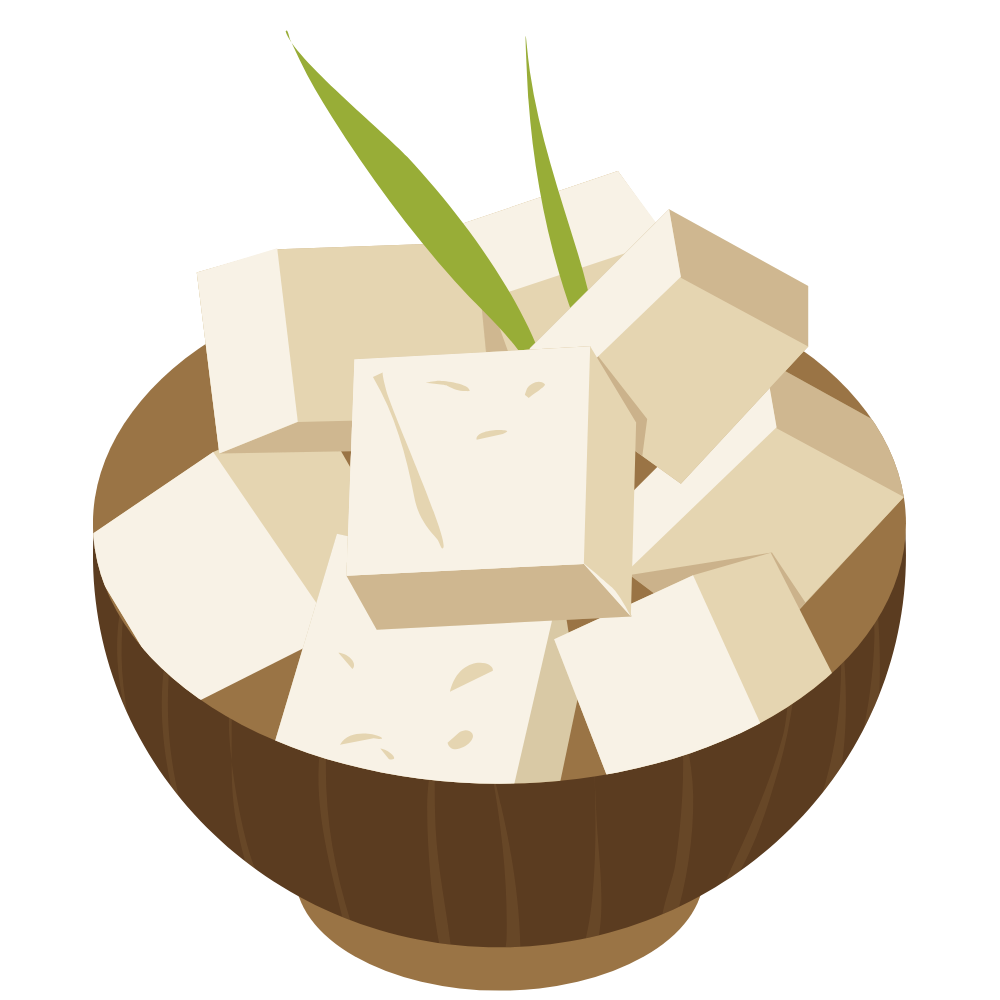
- rice / soy,
- bulgur / chickpeas,
- corn / black beans,
- wheat or barley with peas, etc.
If we are satisfied with cereals, or legumes, we cannot assimilate them. Thus, it is very important to mix grains and legumes together, to have them all.
But the first rule is using organic products and soak them, or even germinate prior cooking. You should, then, not have any of the difficulties often associated with legumes.
And so, we can vary our protein intake, which makes it possible avoiding eating too much meat, which is acidifying and very uric acid productive, toxic waste for our body.
Protein deficiency?
The first and most decisive sign is a lack of muscle tone and muscle wasting. Other significant signs include low blood pressure, fatigue, and poor resistance to infections. And with children, we will notice stunted growth.
The deficiency affects skin quality with poor healing. This is where you can see stretch marks (with a deficiency of zinc, vitamin B6 and magnesium) or wrinkles with less elasticity of the skin.
But in our countries, it is quite rare nowadays to see a protein deficiency. It would rather be overconsumption.
Overconsumption? protein diets...
There is no way to store them. The excess protein not burned by energy is transformed into fat. And protein already contains fat, especially animal fat. The surplus of unmetabolized proteins generates acidifying toxic residues (uric acid and purines).
Protein also makes you drink more as it creates more nitrogenous waste which passes through urine. If you do not drink enough, kidney’s overload increases and so does uric acid’s level in the blood. The acidification then induces tendonitis, leading to arthritis and then osteoarthritis. Too much protein and not enough oxygen to metabolize it also forms free radicals. That is premature aging of cells. Proteins contain only 25% oxygen while complex sugars 50% (fat 12%).
And lastly, protein tends to slow down the elimination of residual waste. Be sure to add fiber and vegetables when consuming them. Which is not often the case with a protein diet.
Other Frequently Asked Questions
Some Nutrition infos and thoughts
What about dairy?
According to cultures and religions, man has kept a certain consumption of cow’s milk. But it was long before the industrial processes which destroy by pasteurization, homogenization, skimming and sterilization what little interest it could still hold. Not to mention preservative additives.
However, today we agree to consider raw milk as an acceptable and even beneficial food. If consumed only in limited quantities and managing to find extra fresh and organic. But also, it seems to me, with farms where we know how the animals are fed. If cows are pushed to extremes to produce abnormal amounts of milk, how can the quality of the milk be present! Toxins from vaccinations or chemical fertilizers from the grass consumed or from their food are inevitably found in their milk.
What about Gluten?
Nothing beats bread out of the oven with a good olive oil and fleur de sel or butter! With the increase of intolerance or allergy to gluten, it has become a huge topic if not in some cases, just . If you have not been diagnosed with intolerance or celiac disease, please do not completely avoid gluten. Just be choosy with quality as the main problem comes from intensive manufacturing. And quantity, not at every meal 😉
What about Sugars?
Sugar is a huge topic and even without health problems with sugar, it’s a viable concern to reduce our intake as it is everywhere even in food where it should not be in! So choose your sugars and there are so many delicious and much better than pure white sugar. Don’t deprive yourself of desserts but choose!
Organic?
As a believer in quality & taste, you could think I advocate bio but I don’t. I only searching for the best product and quality. Many produce high quality without willing to go through the specifications of the bio label. It surely gives standards but also as any organisation, is money related. In any case, I’m not willing to pay twice the price sometimes for lesser taste than non bio products.
If you favor seasonal products, you might observe that prices may be a little more expensive, but you will find your way very easily in the end. Recently, I observed the other way round. Prices for season products are cheaper in organic markets than in supermarkets!
An organic or well raised product is denser and nourishes you better. You need less in quantity to be satisfied, and your taste buds experience more pleasurable in quality. A supermarket veggie may be inexpensive in season, but usually is 80 to 90% water, unlike one that grew in better nourished lands. Take an example like the mushroom. A good mushroom hardly disgorges any water during cooking. Try it with mushrooms from your supermarket. Your wok or pan is full of water, and you will find it difficult to brown them well.
As for the groceries, they are not much more expensive. Unless you are into prepared dishes. But isn’t the idea to start preparing your specialties at home?
An argument and not the least but when your cells are better nourished, you will be in better physical and mind shape. You will need less doctors, therapists, if at all. Especially with the few Nature’s treasures presented below to consolidate your health and heal if necessary.
Full indepth infos in my book SereneGourmet

Let’s cook
Access recipes and browse by categories. The library will be updated gradually and soon some videos, ebooks and recipe cards.